Uncanny Eye is a monthly blog that investigates the surreal elements of comics, games, and cinematic art that I find weirdly captivating, dreadful, memorable, repulsive, and visually alluring.
Resident Evil, the reimagining of the videogame franchise that launched thirty years ago on the first Sony PlayStation console, is a 2026 film written, directed, and produced by Zach Cregger, the same filmmaker behind recent breakthrough horror films such as Weapons (2025) and Barbarian (2022). This new film presents us with a parallel side-story that follows a freelance medical courier, Bryan, as he attempts to safely transport an urgent delivery into the heart of Raccoon City.
What I am most surprised by in my iMax matinee screening of this film on a very hot, late-summer, afternoon on opening day was how dark, cold, and believably suspenseful the first twenty minutes of the cinematography is as it follows Bryan, often in third-person-view and over-the-shoulder, as he navigates the slippery encounters that lead to his new delivery quest. This repeated camera-work and twitchy choreography mirrors the mechanical experiences of spasmodically controlling the character’s movement, a unique experience borrowed from the era of early three-dimensional action-adventure games. This adaptation of late-nineties videogame cinematics makes this particular adaptation feel more faithful to the dreadful terror and psychological horror of the original source material, more than any of the previous dozen or so live-action or animated films, in my opinion.
Anxiously waiting for the next horrifying moment of biological mutation and bodily gore to reveal itself around every corner, I also quickly related to the main character’s stress, portrayed by the actor Austin Abrams (who also co-starred in Weapons), as his frazzled composure, situational frustration, and jumpy awkwardness develops into denial and remorse while the trauma from his survival tactics, or lack-thereof, tests Bryan’s abilities to move forward in his journey.
Unfortunately, I am afraid that this fresh vision of such a wildly viral and beloved franchise will likely get an abundance of low reviews for its lack of fan-service and lack of specific references to the characters or events of the previous iterations of this story. However, this is more of a criticism of toxic fan culture than it is of the film itself.
With that said, I find the lack of fan service refreshing for this genre of films adapted from games. I think this film is one of the most beautifully shot and thoughtfully edited versions of the world of Resident Evil that shows viewers more than it explains. More than a few of the graphic moments not only referred to (but did not copy) key creatures from the previous games, but such grotesque abominations reminded me of refined visualizations of memorable special effects from such key horror film precedents as The Thing (1984) and Evil Dead (1981).
By the end of the film, I caught myself reflecting not just on the lack of biopunk sci-fi-horror with plots about the dangers of unregulated privatization of scientific or technological advancements in the mainstream media, but I became totally immersed in thinking about how I would personally react to suddenly being thrown into a very plausible apocalyptic doomsday scenario as a result of corporate negligence. Small realistic moments like struggling to load a clip, un-athletically jumping a fence, or safely handling a firearm were some of the biggest surreal character decisions that push this film beyond the threshold of science fiction plot exposition into pure suspension of disbelief. Cregger’s vision of Resident Evil is the more atmospheric, smart, and abstractly advanced version of the film I wish we could have gotten twenty years ago from George A. Romero. What a way to celebrate thirty years of “RESIDENT EEEVILLL!”
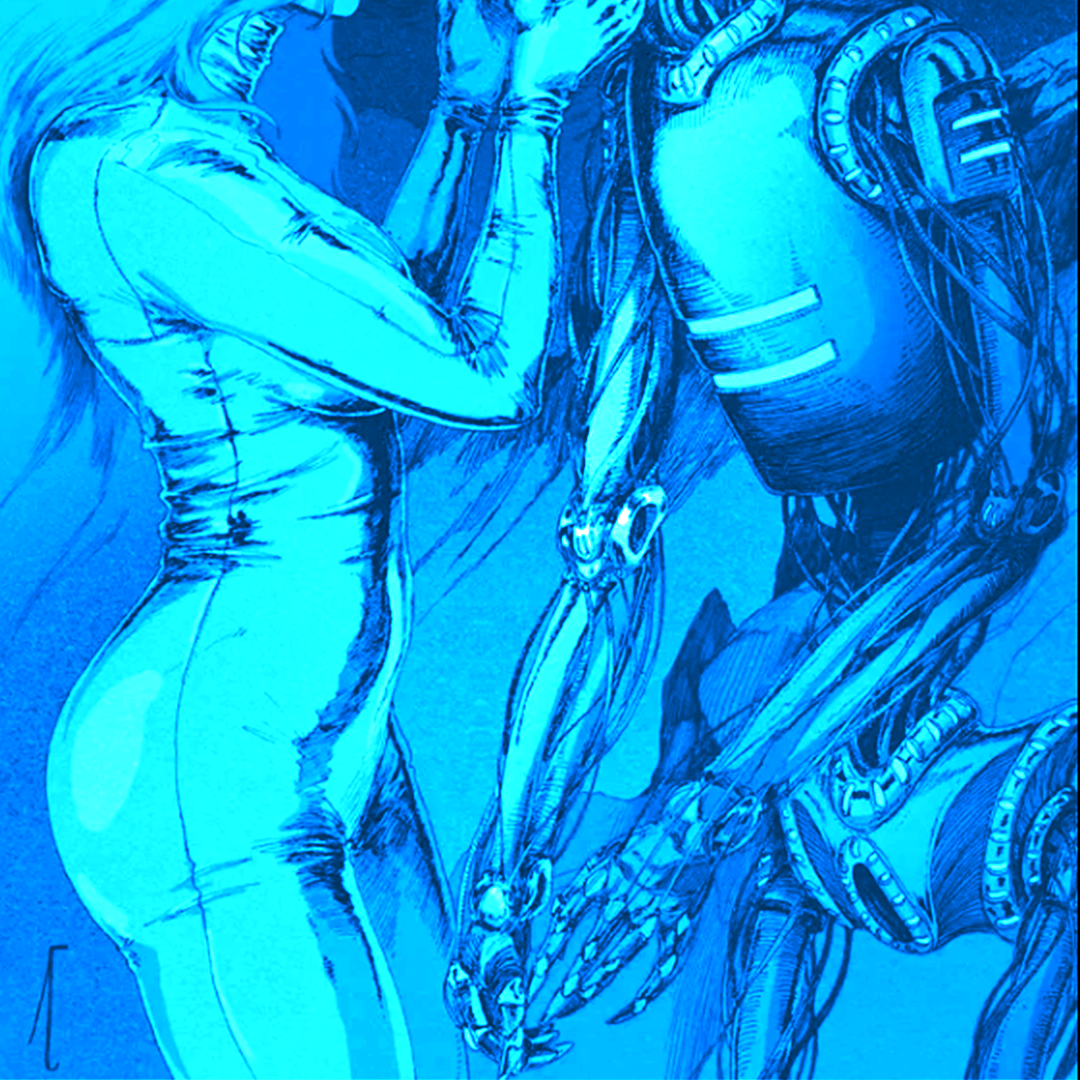
Sixella: The Last Roots is the American debut of the English translated cyberpunk/biopunk science fiction story (originally published in 2020) by French artist and writer Janevsky. This version was published in three parts across the first three issues of the 2025 relaunch of Heavy Metal Magazine (#321-323). Throughout this weird and dreamlike feminine environment overgrown with tentacles and vines of penetrating datalink cables, Janevsky has colored this alien world in warm/cool tones of aphrodisiac pinks and blues, veiled intimate panels with low mood lighting, and textured each scene with delicate lines traced/inked by hand with the tip of his pen. The creator illustrates an organically decimated landscape and a deep cavernous subterranean cityscape populated by sharp mechanical insect-shaped life forms and a variety of angular extraterrestrial beings that contrasts with the sensual and voluptuous full figure of the main heroine of the story, Sixella. Caught in a plot of illegally exhuming and breeding endangered plantlife that has been systemically oppressed to the point of near extinction in order to engineer an environmental air quality that keeps people indoors/industrious and isolated/exploited, Sixella, a roguish underground botonist seems doubly caught in a polyamorous emotional/erotic relationship with Milo, her floating mechanical drone boyfriend who seems to connect with Sixella intuitively, and a red, full-bodied “39-type robot” named Iris who appears to specialize in male-to-female connecting sexual services in exchange for currency but remains unpaid from Sixella for their services. The drama of Sixella’s emotional/erotic jealous passions and active political danger that she throws herself into again and again and again is a character arc that I found strange to follow at first but grew on me as her journey developed from issue to issue.
Cyberpunk: Edgerunners MADNESS (CEM) Volume 1 is the first tankobon in this new black and white manga style adaptation of the original net anime series in collaboration with award-winning Japanese manga artist, Inio Asano, to realistically develop the chaotic fan-favorite characters, Rebecca and her older brother Pilar, on their paths to becoming “edgerunners” in Night City. Set in the same world as the source material developed in Mike Pondsmith’s role playing game, and written by Bartosz Sztybor, who is the web anime’s screenwriter and also the author of the Dark Horse comic book adaptation of CD Project Red’s video game (also based on the tabletop game), Asano’s CEM presents readers with a slice of life story that follows a familiar set of mercenaries on the edges of society running as far away from the mega-corporations and political corruption as their stolen cars and biotech will take them. The most uncanny element I experienced in Asano’s new vision for this dystopian universe is how empathetic, fun-loving, pug-loving, carefree, and cozy I begin to see the violent world of Night City through Rebecca’s dark, maturing, and complex cybernetic eyes.